Post #3

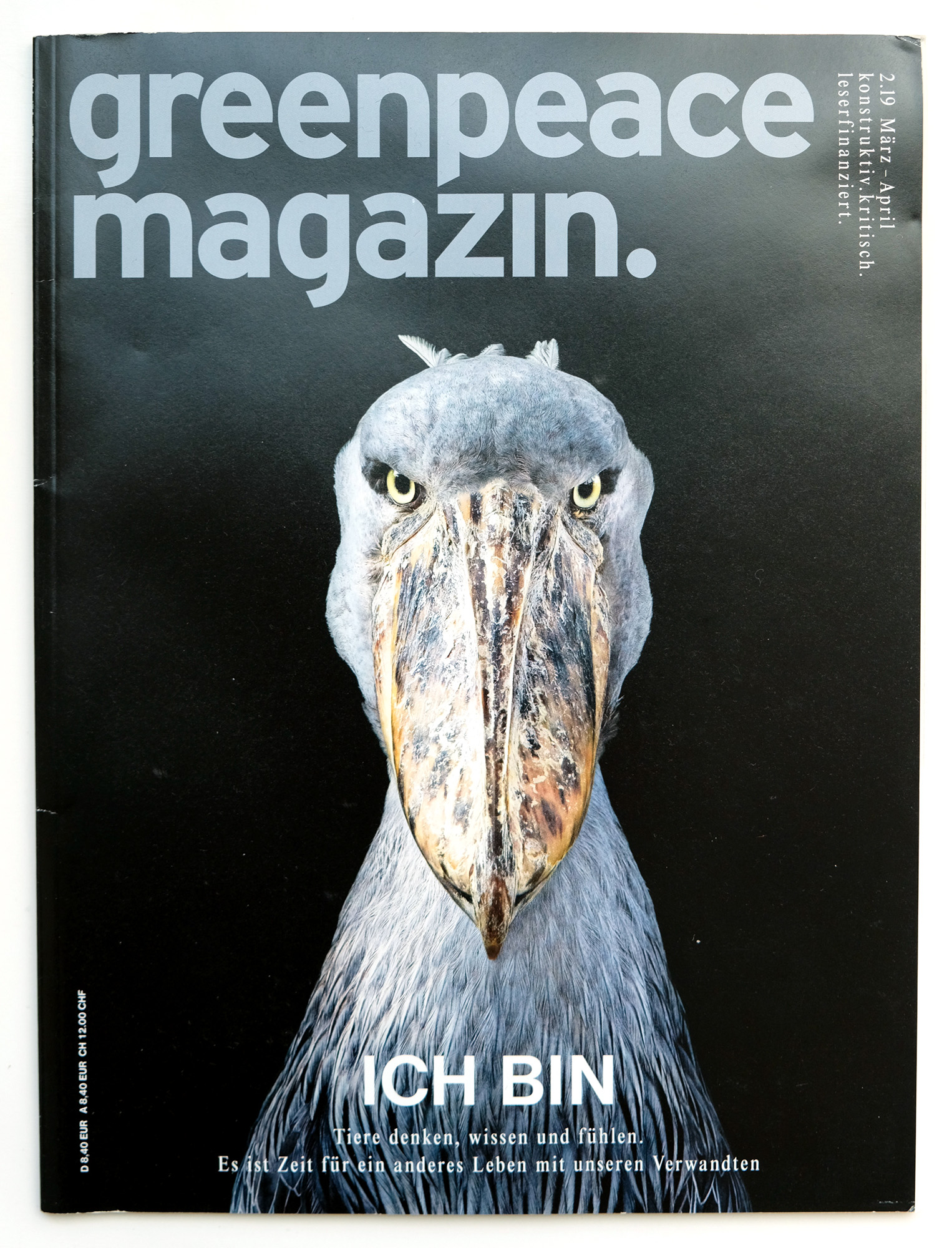
After looking at popular teen magazines I decided to look at popular environmental magazines to help incorporate both genres into my magazine cover's edition. Here are some covers I found...
Image result for Down to Earth (magazine)Image result for Resurgence & Ecologist
Image result for Greenpeace Magazin
Image result for environmental magazines climate change
One common theme among environmental magazines talking specifically about environmental issues is that the anchorage is often really intense. The model is often staring at or away the reader with a serious, almost concerning look on their face. The model's expression often ties into the headline and strap line to deliver the idea that the content it very serious and dangerous. The colors that are used the most in the magazines i saw were green, blue and red. The greens and blues often represent the colors of the environment, and the reds are used to grab the readers attention in puffs, masthead, and headlines and to represent danger.


Comments

Popular posts from this blog

Post #10

The following pictures were taken for my main article picture... For my main article I wanted to have my model, Alexa, laying down on the ground with clothes and/or shopping bags surrounding her. This would help convey the idea that the clothes from major teen fashion industries is hurting their consumers; teens. I also made sure that the clothing and shopping bags were colorful so that the magazine would draw in and appeal to teens, our intended audience. Taking the photo on the grass, again, helped bring a pop of color to the magazine but also help connect the cover picture with my main article, considering that both of the pictures were taken outside. Out of all the photos, I feel that the one to the bottom left looks the most appealing because the photo is the most filled with shopping bags and clothing. Having more clothing and shopping bags taking up the frame helps intensify the overwhelming feeling of them around Alexa. Empty spacing is not needed anyways becaus...

Post #15

Now that I have found some examples of sweet spots used in teen fashion magazines, I now have to look at sweet spots used in environmental magazines to see if there are any key similarities or differences between the two. Here are some of the following environmental magazines covers I found with sweet spots... In this magazine, the sweet spot is located in the bottom right corner. The text in it says,"Visualizing Carbon Because seeing is believing p.24". In this case the sweet spot is being used some what as a puff by promoting an article in the magazine. In fact, it is the only article on the cover besides the one in the head line.  On this magazine, the sweet spot is located in the upper right area. It states,"SPECIAL REPORT The Future of Our Environment". The sweet spot is, again, being used to promote a specific article in the magazine besides the one in the headline. Putting another article in the sweet spot draws attention to the article and hel...

Post #29

The final part of the final part of creating this magazine was to put together the fourth page. I decided to put my article title at the top of my page in the font Abril Fatface because the same font was used to describe the same article in the headline on the magazine cover. To add a little pop of color, I went along with the same idea used on my third page and put the title over a green rectangle for contrast. For my article text, I decided to divide the text into two columns with a divider in between them, as three or more would leave little space for even a couple of words. The font I used for the text was Kollektif because it matches the text I used in the table of contents. I keep trying to use the same group of fonts so that my magazine does not look all over the place. When placing the article text from my previous blog into my article on Canva, I encountered something I was expecting, my article was too long. I first decided to remove the section in the article about Nike...